Toolroom · Tool & die makers
Injection mould making, built in-house.
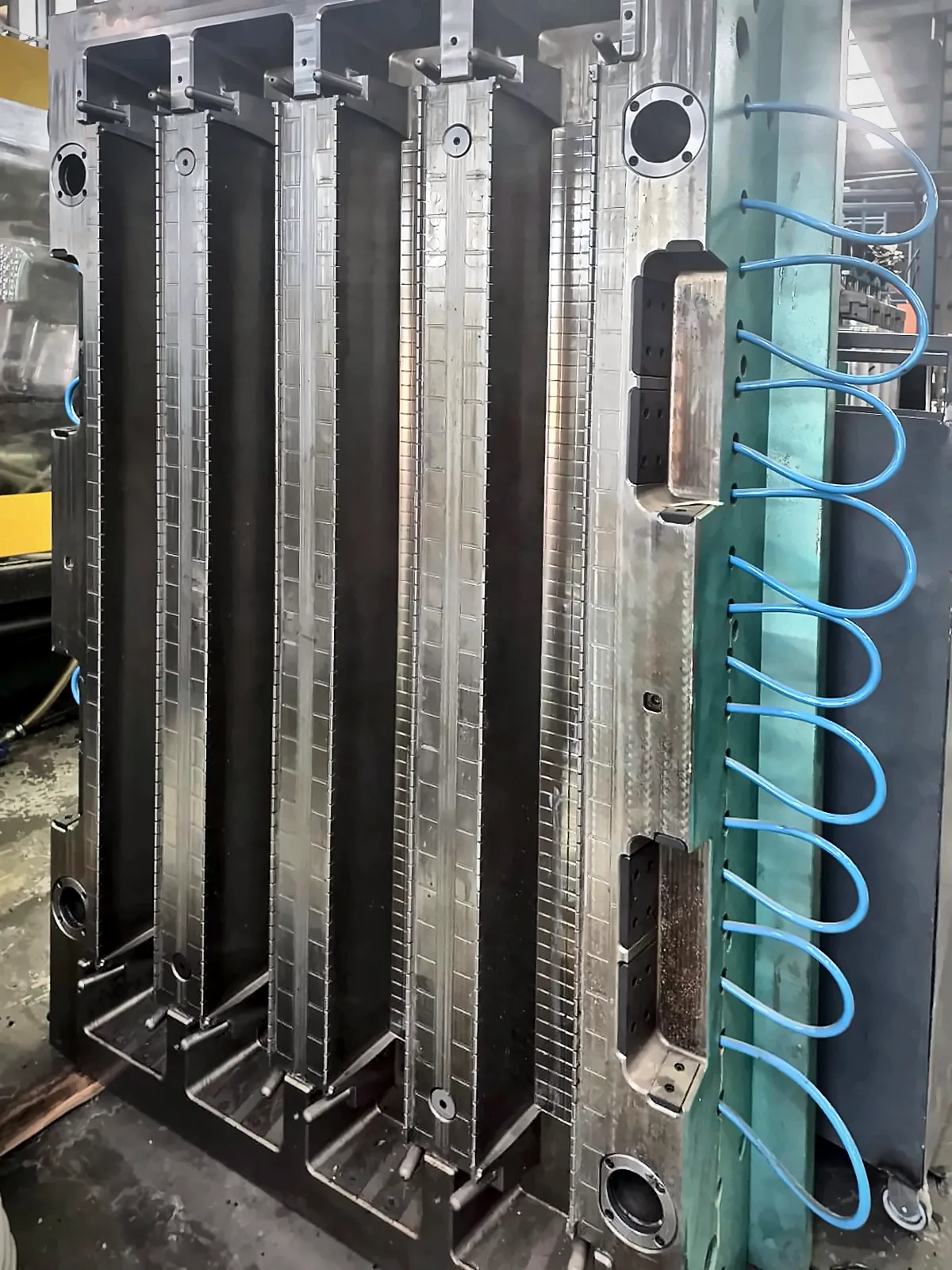
We take great pride in the moulds we manufacture. Our toolmakers build complex precision injection moulds and blow moulds to exacting requirements using CAD/CAM, CNC machining and spark-erosion technology — right next to the machines that run them.
- Injection moulds
- Blow moulds
- CNC machining
- Spark erosion (EDM)
Our toolroom
Precision you can see in every part.
A plastic part can only ever be as good as the mould that makes it. That's why we've invested in our own toolroom rather than outsourcing tooling — and why the workmanship of our toolmakers is the foundation of our reputation.
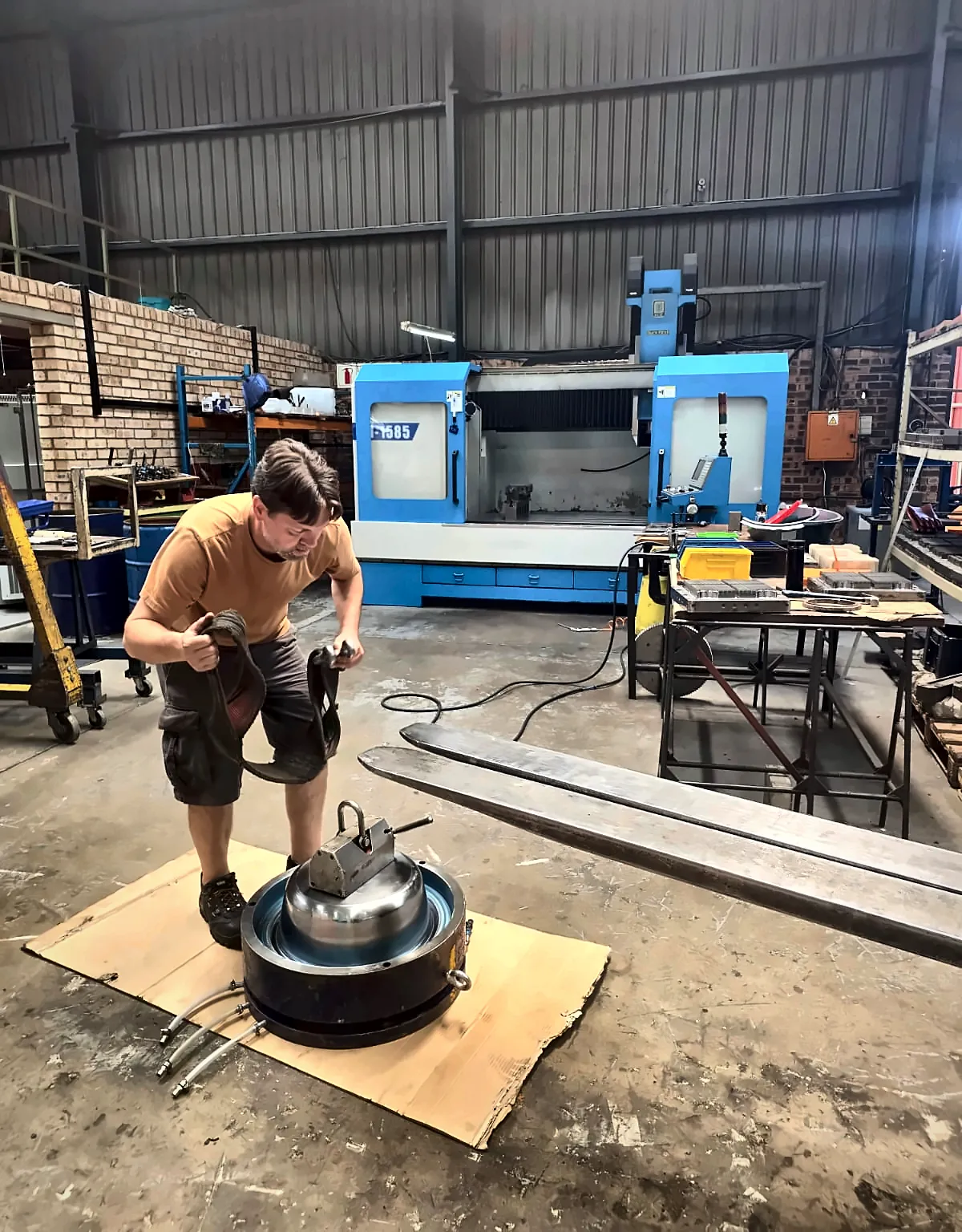
Every mould starts in CAD and is machined from steel (or aluminium for some applications) on CNC milling machines. Fine detail, sharp internal corners and deep ribs that can't be milled are produced by spark erosion (EDM). Cavities are then fitted, polished or textured, and the tool is trialled on our own moulding machines before production starts.
By having in-house mould designers and toolmakers, we can guarantee your mould will be built the way you want it — and fixed quickly if anything ever needs attention.
Toolroom services
Moulds designed, built and looked after.
Injection moulds
Single- and multi-cavity production moulds for thermoplastic parts, from small precision components to large tools for our 1200-tonne machines.
Blow moulds
Blow mould manufacture for hollow plastic products such as bottles and containers.
CAD/CAM mould design
Tools are designed in SolidWorks, AutoCAD and Mastercam, with CNC toolpaths generated directly from the model. Mould design
CNC machining
Cavities, cores, inserts and mould plates are machined accurately and repeatably on CNC milling equipment.
Spark erosion (EDM)
Electrical discharge machining produces deep ribs, sharp corners and fine detail in hardened steel.
Maintenance & repair
Preventive maintenance, repairs and modifications keep your moulds producing good parts for longer.
Mould costs explained
What determines the price of an injection mould?
The mould is the biggest upfront investment in any injection moulding project. Building one demands great precision, specialist design software and expensive metal-working equipment. The price of a mould depends mainly on:
- Size of the mould — larger parts need larger, heavier tools and bigger machines.
- Number of cavities — more cavities make more parts per cycle (lower part price) but cost more to build.
- Mould material — hardened tool steel lasts longest; softer metals such as aluminium suit some lower-volume applications.
- Surface texture or finish — high-gloss polishing and textured finishes add toolroom time.
- Part complexity — undercuts, side actions, threads and tight tolerances all add mechanisms and machining.
Because the set-up cost is high, injection moulding is best suited to thousands or millions of identical parts. A well-built mould should make several hundred thousand parts before needing major refurbishment, so the tooling cost is spread over a long production life.
Want the full picture, including how part prices are calculated? Read our injection moulding cost guide.
From design to production
How a new mould comes to life
-
Consult & quote
Share a drawing, sample or idea. We discuss quantities, material, finish and budget, then quote the mould and part price.
-
Design & engineer
We refine the part for moulding — wall thickness, draft, gating — and design the mould in CAD.
-
Build the mould
Our toolmakers machine, spark-erode, fit and polish the mould in our own Johannesburg toolroom.
-
Sample & approve
First-off samples are moulded and checked against your specification. You sign off before production starts.
-
Produce & deliver
Production runs, assembly, printing and packing to your spec — delivered, with your mould maintained in-house.
FAQ
Mould making questions
What types of moulds do you make?
We design and manufacture injection moulds (molds) and blow moulds. Our speciality is complex, precision injection moulds built to exacting requirements.
How much does an injection mould cost?
Mould prices depend on the size of the mould, the number of cavities, the steel or metal it is made from, the surface texture or finish required and the complexity of the part. A simple single-cavity tool costs a fraction of a complex multi-cavity production mould. Send us your drawing for a quotation, or read our cost guide.
How long does a mould last?
A well-designed and well-built steel mould should produce several hundred thousand parts before it needs major refurbishment — often far more with regular maintenance.
Do you maintain and repair moulds?
Yes. Maintaining our customers' moulds is a responsibility we take very seriously. Our toolroom handles preventive maintenance, repairs and modifications so your production keeps running.
Who owns the mould?
Ownership terms are agreed upfront in your quotation. In most custom moulding projects the customer pays for the mould and owns it, while we store, run and maintain it.
What is the difference between a toolmaker and a mould maker?
In South Africa the specialists who build moulds are usually called toolmakers or tool & die makers; in North America they are called moldmakers. The job is the same: precision engineering of the steel tool that shapes your plastic part.
Let's build your next mould.
Talk to our toolroom about new injection or blow moulds, modifications or repairs.